Quick Enquiry
 Notifications
 +91 8585858012
 Notice Board



11 Safety Measures in School to Create a Secure Environment
Students spend four to six hours a day in an educational institution that should primarily have a safe environment. Safety measures in school, such as 24/7 CCTV surveillance, hygienic washrooms, and ventilated classrooms, are basic amenities that educational institutions must provide. A safe school provides a learning environment that is both physically and emotionally nurturing for students’ growth and development.
Safety measures in school for students
When looking for the best schools in Barasat, parents prioritize their children’s safety and security above all else. But how can you ascertain that the school you choose offers a safe environment for your child? Let’s find out!
1. Security at the entrance
When you physically visit a school, the first thing to notice is how well it is guarded. If anyone can walk right into the premises without enquiry, it is alarming.
At all times, there has to be one or a group of security personnel who register your presence, what you’re there for, and then guide you on where to proceed. The gate size, a monitor that verifies who enters and exits, and a registry recording the timing are important data that the schools must keep on record.

2. Secure infrastructure
Having a gated school is only the first step of a secure infrastructure that most definitely requires perimeter fencing. There should be CCTV surveillance with high-quality cameras strategically placed throughout the school building.
The playground, reception, entrance, classrooms, parking areas, and hallways should all have cameras that record every action 24X7. Find out whether trained security personnel are present at all times to monitor the live actions. This ensures that the school prioritizes accident prevention rather than responding after something goes wrong.
3. Cleanliness and hygiene
Safety measures in schools regarding health and hygiene have increased significantly post-pandemic. Children carrying lower immunity compared to adults are more vulnerable and susceptible to diseases. This increases the necessity for bathrooms and classrooms to be cleaned repeatedly.
When you visit a school for inspection, this is one area you would want to explore on your own. Find out whether there are janitors around the school washrooms who keep them clean at all times. Inspect whether the washrooms have basic sanitation facilities, such as running water, handwashing, and toilet paper.
4. Ventilation
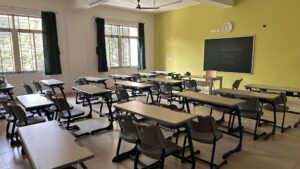
With rising summer temperatures, schools must now have air-conditioned classrooms. Windows with ample sunlight, proper lighting to help students read and write, and cross-ventilation during winter are all necessary.
The number of students in each class also affects the breathing space each student has while studying. The fewer the number, the more spaced out they feel. So, you can ask the school about the maximum students allowed for each section.
5. Food safety
A school canteen should provide safe products for students who need to purchase food during recess. While it is always encouraged that children bring home-cooked meals, canteens are a necessary addition to avail at some odd days.
A school canteen must provide filtered drinking water and ready-to-eat products acceptable to parents for their children to eat. It should be stacked with basic snacks like biscuits and cakes.
6. Fire and electricity safety
One safety measure a school needs to keep a tab on regularly is its electricity supply. Short circuits can come unannounced and be tragic, especially when you have kids on the premises. Schools must conduct frequent fire drills and teach kids basic fire safety to prepare them for emergencies. Fire extinguishers must be present on every floor with no exposed wires or overloaded sockets within the premises.
7. Emergency preparedness
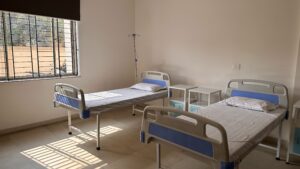
Having an emergency room is mandatory for students who can fall ill, injure themselves, or need immediate medical assistance. There must be a sick room where students can get first aid and rest until their parents arrive to take them home. The medical room must be sanitized at all times and have a first-aid kit with basic medicines for immediate relief. A doctor or caregiver being present at all times further reduces risks.
8. Guidance for using school equipment
Schools need to have open discussions and mock drills to walk students through safety measures. During practical classes where they use tools and equipment, such as scissors and glue during art class, hardware kits for robotics class, students need to be taught caution.
Schools with in-house gyms that include climbing structures, swimming pools, and playgrounds with swings and slides also need cautionary statements. Clear instructions need to be conveyed so that children stay protected at all times.
9. Cybersecurity
Schools need robust IT protocols for digital safety and cybersecurity. Firewalls, a secure network, and monitored online access are mandatory to protect student and parent information.
It is necessary to educate them against online harassment and data theft. Students need encouragement through interactive activities so they feel safe sharing incidents involving cyberbullying.
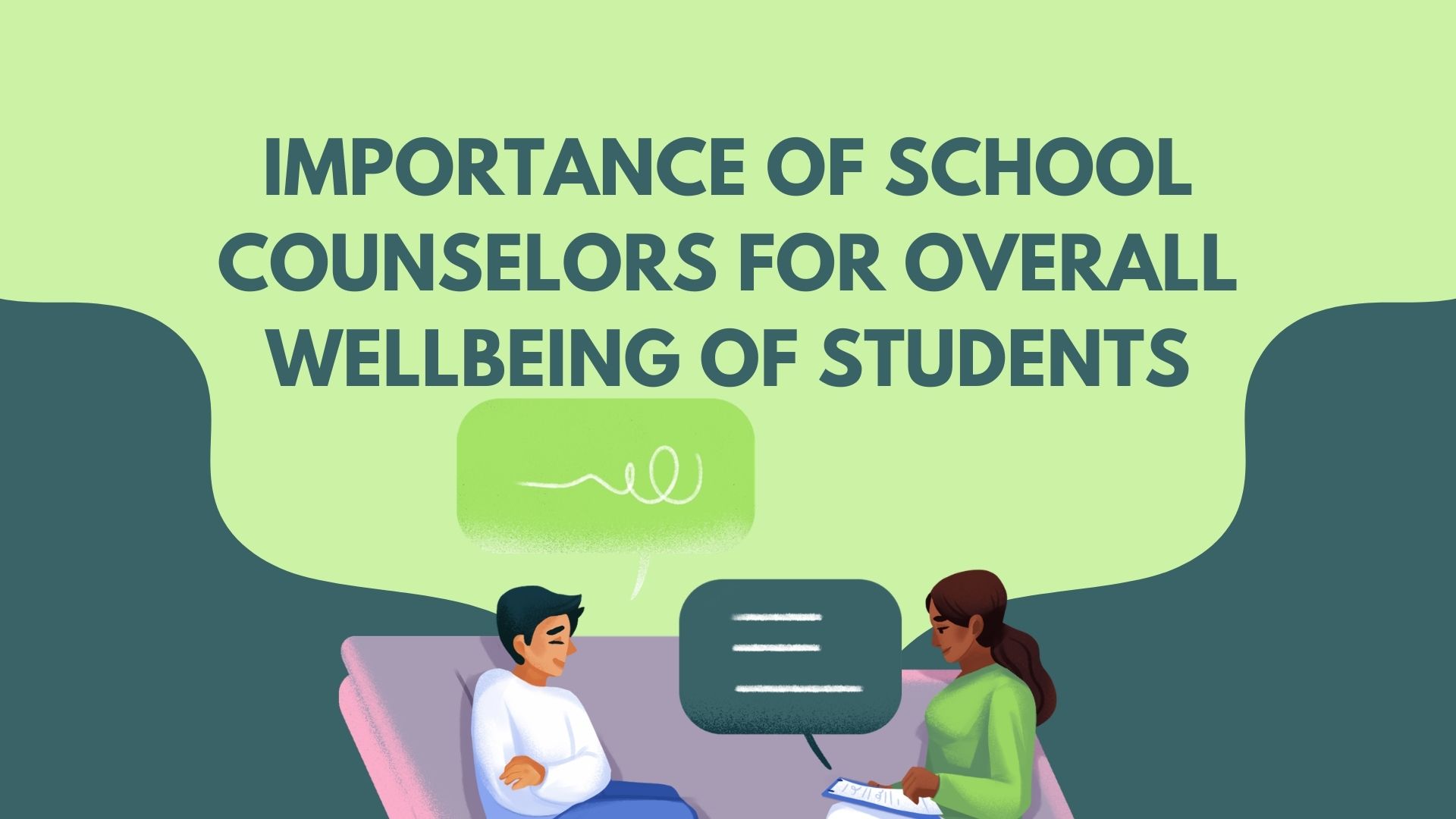
10. Counseling for mental wellbeing
A protective learning environment is not just about a solid school infrastructure, but also about nurturing and empowering minds. Like teachers who are responsible for students’ academic growth, counselors are responsible for boosting their eligibility to learn and imbibe.
Counselors create a positive environment, explore students’ strengths and weaknesses to unlock their maximum academic potential, and offer emotional support. They address any form of violence, harassment, or bullying among students through disciplinary actions that are both comforting and firm.
11. Transportation safety
A school’s track record shows that a seamless transportation system is part of their responsibility. Safety measures in such a case depend on the condition of the school buses, the driver’s experience, and their ability to minimize potential risks.
Collaborative effort between schools and parents
Ensuring a child’s safety is a collaborative effort between schools and parents. A school’s accountability to hold frequent discussions about its services and areas for improvement makes it easier for parents to resolve any grievances.
Schools must be approachable at all times so that parents can speak to authorities when the safety of their children is at stake. It keeps both parties involved in maintaining the safety standards, allowing students to continue trusting each other.